Français
 English
 Español
 Deutsch
 Italiano
 Português
 Polski
 Nederlands




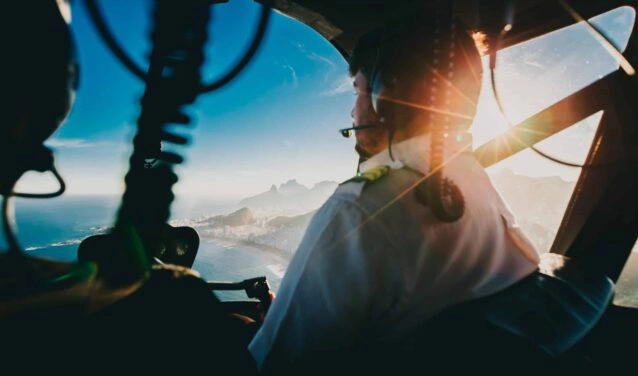
Being a helicopter pilot is a profession that many people fantasize about. We imagine perilous rescue missions in a military setting, and missions carried out with great precision in the civilian world. Knowing how to master such a machine seems impressive.
It’s natural to wonder how these pilots manage to master it. Whether they’re transporting goods or people, pilots have to be rigorous.
but what does the job really involve? What training do you need to become a helicopter pilot? What qualities are required, and what are the career prospects? AEROAFFAIRES tells you all about it.
The different types of missions for a helicopter pilot
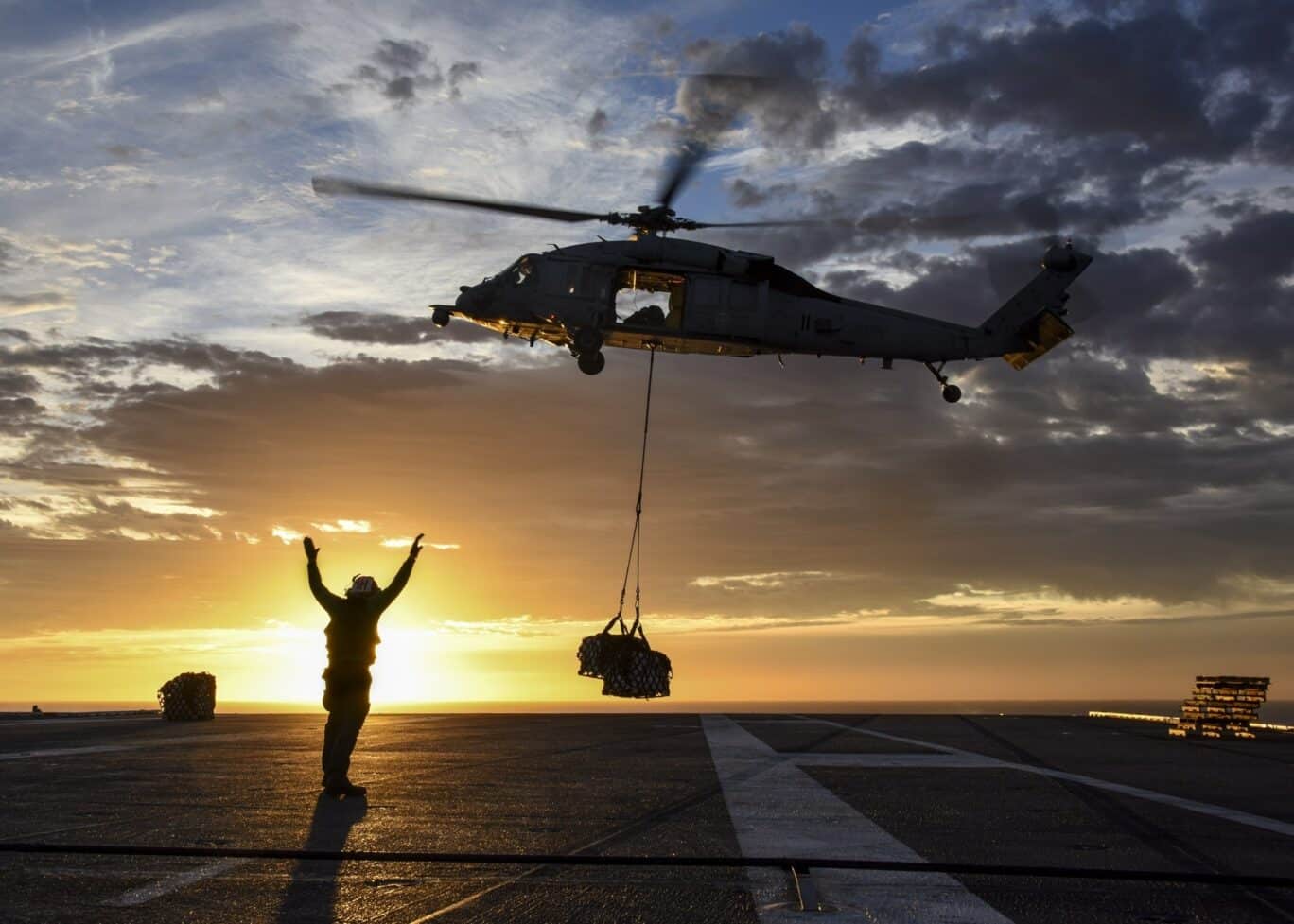
The missions entrusted to helicopter pilots are as varied as the environments in which they operate. Thanks to their maneuverability and ability to land almost anywhere, helicopters can be adapted to a wide range of uses.
Here are some of the main missions:
- Medical rescue: rapid intervention to evacuate injured people or transfer patients to hospital (helicopter-borne SAMU, civil security helicopters).
- Surveillance and security: surveillance of sensitive areas by police, gendarmerie or customs. Helicopters provide strategic aerial vision.
- VIP transport: rapid, discreet movement of executives, VIPs or businessmen between locations inaccessible to jets.
- Aerial work: inspection of high-voltage lines, lifting of equipment in mountainous or urban areas, filming for the cinema or media.
- Offshore missions: transporting personnel and equipment to oil platforms or ships at sea.
- Firefighting or natural disasters: water drops, evacuation of disaster areas, emergency logistical assistance.
What training do I need to become a helicopter pilot?
The diploma: CPL(H)
To work as a commercial helicopter pilot, you need a CPL(H) (Commercial Pilot Licence Helicopter).
Entry requirements:
- At least 18 years of age;
- At least 150 flying hours;
- Pass a class 1 medical examination;
- Undergo theoretical and practical training at an approved school.
The military route
It is also possible to become a pilot via the French Air Force or Army. In this case:
- You must be under 27 years of age at the time of recruitment;
- Pass the selection tests;
- Undergo rigorous military training before becoming a pilot.
What qualities are required to become a helicopter pilot?
Being a helicopter pilot requires more than just technical skills. Here are the main qualities required:
1. Precision and a sense of responsibility
As you’d expect, being a helicopter pilot requires precision and a real sense of responsibility. Indeed, when we think of the missions performed by a helicopter pilot, we first think of transporting people, particularly in the case of missions for a private company.
A pilot has to take charge of one or more people and ensure their safety. He must therefore be vigilant and take precautions. There are strict rules for boarding the aircraft alone.
2. High level of concentration and composure
Helicopter pilots also need to be highly focused. During the flight, he mustn’t let his nose dip, and he mustn’t forget anything when preparing the machine.
He also has to deal with risky and unforeseen situations, which he must handle coolly and efficiently. Like rescue missions or bad weather.
3. Teamwork skills
Although helicopter pilots remain highly autonomous in their work, as is the case for emergency pilots, they often work in tandem with an agency for private services.
With teams of doctors for the emergency doctor, or commando teams for the military pilot. So he or she shouldn’t be afraid of teamwork.
4. Good physical condition
In addition to their intellectual and emotional qualities, helicopter pilots, like airplane pilots, must also have good eyesight, and a certain resistance to heat and cold, depending on where they operate.
Helicopter pilot training schools
Several centers in France and Europe offer training to become a helicopter pilot. Here are a few well-known examples:
- Hélidax (Dax): in partnership with the French Army.
- Airbus Helicopters Training Academy (Marignane): full training with simulators.
- Heli-Tech (Lyon): private EASA-approved center.
Some useful information:
- Average duration: 12 to 24 months, depending on pace.
- Average cost: between €60,000 and €90,000 for the CPL(H).
- Subsidies available: Compte Personnel de Formation (CPF), regional subsidies, financing via the army or company.
How much does a helicopter pilot earn?
Salary varies according to several criteria:
- Sector of activity (public or private) ;
- Type of mission (rescue, VIP transport, surveillance, etc.);
- Experience and seniority;
- Type of helicopter flown.
Remuneration in the public sector
Helicopter pilots in the public sector start out as beginners, receiving 1635 euros net per month. Once they have obtained their pilot’s license, they are considered aspirants and earn 2626 net per month.
Remuneration in the private sector
The most experienced pilots can earn an annual salary in excess of €100,000 (compared with around €40,000 in the public sector), particularly in VIP transport, offshore flights or international missions.
Career prospects
Depending on how a helicopter pilot’s career develops, he or she will work more or less hours and earn more or less money. Over the years, he may :
- Move up the ranks in the army or civil aviation;
- Specialize in specific missions (medical evacuation, night flying, maritime surveillance);
- Become a flight instructor or chief pilot;
- Retrain after a military career in the civilian or private sector.
For example, a pilot who has served in the army can, at the end of his career, join an air ambulance company or a tourist flight operator.
Depending on what you choose, you’ll find yourself in different working environments. As an emergency pilot, you’ll spend a lot of time doing nothing, and when the time comes, you’ll need to be extremely fast.
Where can I work as a helicopter pilot?
The helicopter pilot profession offers a wide range of geographical and sectoral opportunities.
In France
- Mountains: for rescue missions (particularly in the Alps and Pyrenees).
- Coastal areas: maritime surveillance, access to islands or yachts.
- Major urban centers: VIP or medical transport, film shoots, police missions.
International
- Humanitarian missions: NGOs, international organizations.
- Conflict zones or OPEX: for military pilots.
- Private sector: oil companies, prestige missions in luxury tourism.
Types of employer
- Private helicopter companies;
- French air force, army and navy;
- Civil security and emergency services;
- Aerial work companies or offshore platforms.
A typical day in the life of a helicopter pilot
A helicopter pilot’s daily routine varies according to mission, weather, emergency or destination. Here’s an overview of a typical day:
- Flight preparation: studying the weather, the flight plan, the aircraft’s technical conditions.
- Helicopter inspection: visual inspection, mechanical and fuel checks.
- Team briefing: coordination with ground crews, passengers or sponsors.
- Mission: flight, landing, transport or intervention, depending on the type of mission.
- Return to base: refueling, debriefing, any maintenance required.
Pilots can be on constant alert, as in the emergency services, or plan their flights in advance in the private sector.
The pros and cons of the job
Being a helicopter pilot is a demanding but exciting profession. Here’s an honest assessment of the strengths and difficulties to anticipate.
Pros:
- Wide variety of missions;
- Open, stimulating work environment;
- High professional prestige;
- Autonomy and decision-making in the field.
Disadvantages:
- Irregular working hours (on-call, night duty, etc.);
- Physically and psychologically demanding;
- High training costs;
- Significant responsibility, especially on critical missions.
Fly or book a helicopter with AEROAFFAIRES
Would you like to book a helicopter flight or find out about helicopter rental options for private, business or medical travel? AEROAFFAIRES is at your side 24/7 with tailor-made solutions.
Don’t forget to book your next trip now. Our team is at your service by phone at +1845 373 3456 / +44 84 4986 0547 or by e-mail: charter@aeroaffaires.com.
You can also get an estimate for your private flight with our online quote.